What is constipation?
Constipation is the infrequent passage of stools - typically fewer than three times per week. The stools tend to be difficult to pass because they are hard and dry.
Why do stools become hard?
Stools are formed along the intestine, and start off quite watery. The colon is designed to re-absorb some of the water from the stools. However, sometimes it absorbs too much and this can lead to hard, dry stools and constipation. At the extreme end of the constipation spectrum is fecal impaction, a condition in which stools harden in the rectum and prevents the passage of any stool.
Why do I become constipated in the first place?
You can become constipated for a number of reasons. It often happens through not drinking enough water or eating enough fibre. Constipation can also happen when the digestive process is temporarily upset. This can happen, for example, after excessive
drinking or when taking antibiotics that interfere with the digestive bacteria in the gut. Some long-term sufferers have problems due to an overall
bacterial imbalance in the gut.
Is constipation related to any other conditions?
Constipation can also alternate with
diarrhoea, whereby the colon does not re-absorb enough water. This pattern is more commonly considered as part of the condition known as
IBS. A
soluble fibre supplement can help to alleviate both conditions by balancing the fluid and fibre levels in the intestine.
What treatments are available for constipation?
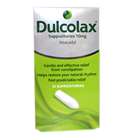
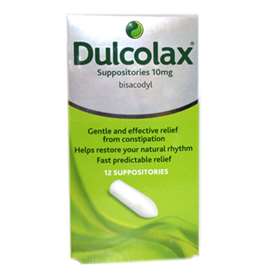
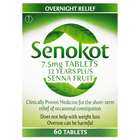
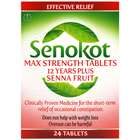
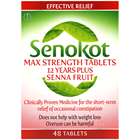
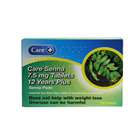
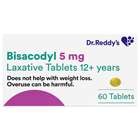
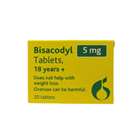
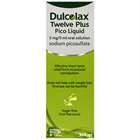
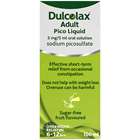
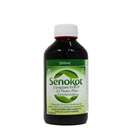
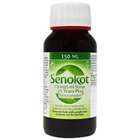
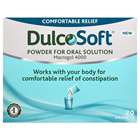
- Stimulant laxatives, such as senna and bisacodol, increase the speed at which the contents move through the bowel. These can come in oral or suppository form. Senna is found in products such as Senokot, whereas bisacodyl is found in products such as Dulcolax tablets or Dulcolax suppositories.
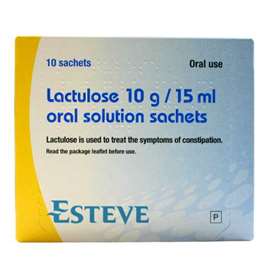
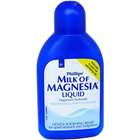
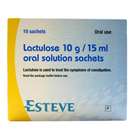
- Osmotic laxatives such as lactulose and magnesium hydroxide work by preventing too much water from being drawn away from the bowel, and thus softening the stools. Lactulose is found in Duphalac; magnesium hydroxide is contained in milk of magnesia.
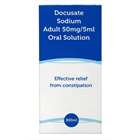
- Docusate sodium, found in products such as Dulcoease, is a stool-softening agent which works by a surfactant action, breaking up stools and allowing them to be passed.
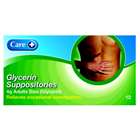
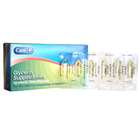
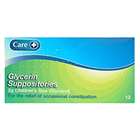
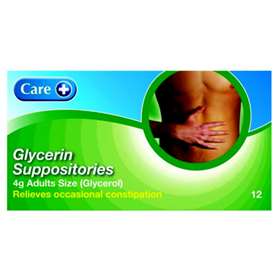
- Glycerin suppositories have a direct softening effect.
- Bulk-forming laxatives include bran, isphagula husk, methylcellulose and sterculia. These work by adding bulk to the stools, thus making them softer and easier to pass. This type of product is often recommended for patients with haemorrhoids or IBS. Because these products are just fibre rather than medicine, they are quite safe and suitable for long-term use.
How can I choose between treatments?
Stimulant laxatives are powerful because they directly activate the bowel. However, they are not for those who prefer to avoid medication. Osmotic laxatives are a little milder, whereas bulk-forming laxatives are based around fibre and provide the most natural form of relief from constipation. In addition,
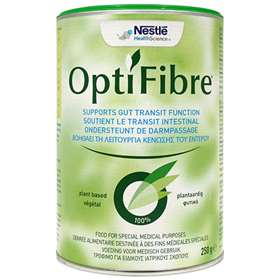
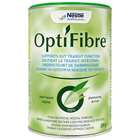
soluble fibre can be used in conjunction with any of the other treatments. Fibre is very safe and suitable for long-term use.
What does Express Chemist recommend for constipation?
In the short term, constipation can be treated with stimulant laxatives such as
Dulcolax or
Senokot. Fibre-based treatments such as
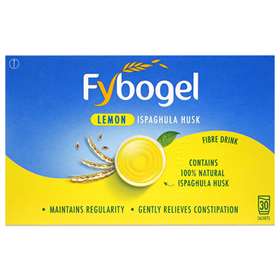
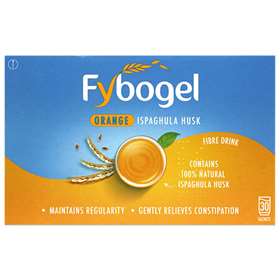
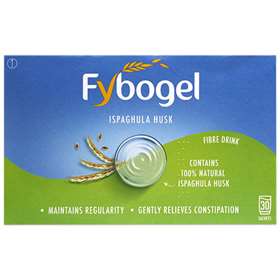
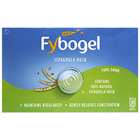
Fybogel will also help. In the long term, stimulant laxatives should be avoided, and hydrating treatments such as
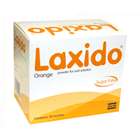
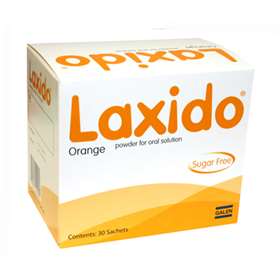
Laxido are far safer. Again, fibre-based treatments such as
Fybogel are always helpful in treating constipation in the long term.
What is the advantage of suppositories over tablets?
Suppositories get straight to work in the bowel, bypassing the need to digest tablets. This is great for people with poor digestion or other gastric problems besides constipation. However, many people find tablets far more pleasant than inserting suppositories, and suppositories can be inserted incorrectly.
What can I do to prevent constipation?
You can help treat constipation by increasing your fluid intake and eating food that is high in fibre such as
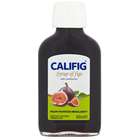
figs or prunes. In addition, exercise and movement can all help to get the digestive system moving. You can also take extra
fibre in addition to your meals. Some herbal products are also believed to help
digestion, including artichoke.html,
peppermint or
artichoke.
Fibre can help where an imbalance of bacteria in the intestine is suspected.
Why is it bad to be constipated?
The extra strain on the rectum caused when passing dry stools can lead to
haemorrhoids. In addition, if stools are left in the bowel for long periods of time, toxins from the stools can re-enter the body. This can, in turn, lead to conditions such as
psoriasis,
spots and acne, liver damage or even bowel cancer.




.jpg)
.jpg)
.jpg)













.jpg)